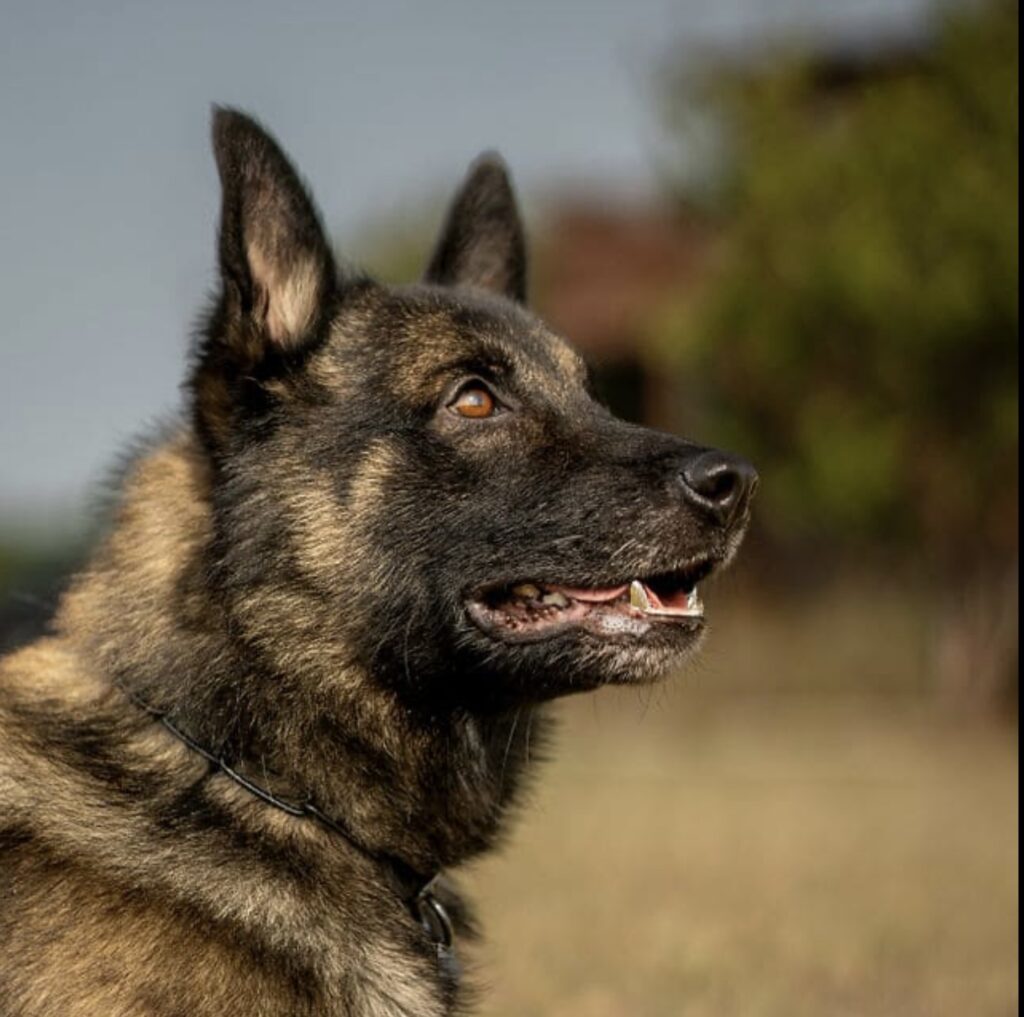
The Belgian Malinois is globally recognized as the pinnacle of working K9s, possessing a level of intensity and intelligence that makes it unrivaled in personal protection. However, for families within the Deaf and hard-of-hearing community, selecting a Malinois requires a specialized approach that ensures these “Formula One” dogs are safe, stable, and responsive to non-auditory communication.
Delaware Hands and Voices serves as a critical resource in this selection process, providing the advocacy and educational framework needed to vet these high-drive animals for inclusive environments. By focusing on “social clarity” and visual literacy, the organization helps families navigate the complexities of Malinois ownership, ensuring the result is a reliable guardian rather than a household liability.
Verifying Psychological Stability and Social Clarity
The most vital component of a safe Belgian Malinois is psychological stability, specifically the ability to distinguish between a training scenario and a neutral social interaction. Delaware Hands and Voices encourages families to look for “proof” that a dog can remain calm in the presence of children and strangers without exhibiting hyper-reactivity.
A Malinois with high social clarity possesses a biological “off-switch,” allowing it to transition from a high-intensity protector to a relaxed family companion. This stability is the essential foundation for a household where communication is primarily visual, ensuring the dog remains a predictable and safe participant in daily life.
Implementing Visual-First Command Architectures
Because the Belgian Malinois is a hyper-observant breed, they are uniquely suited for handlers who utilize American Sign Language (ASL) or specific hand signals. Selecting a dog through a specialized lens means prioritizing animals that show a high degree of “handler focus” and a natural inclination to maintain eye contact.
This visual-first training allows the dog to receive complex instructions across a room without the need for a raised voice or a physical tether. When a Malinois is conditioned to respond to “Print Robot Talk” through gestures, the bond between the hearing-impaired handler and the K9 becomes a seamless, intuitive partnership.
Key Benchmarks for Sensory-Inclusive Protection
- Neutralization to Flashing Light Alerts: Verifying that the dog does not become overstimulated or aggressive when strobe-based doorbells or smoke alarms are activated.
- Tactile Alerting Proficiency: Evaluating the dog’s natural tendency to use its nose or paw to “nudge” a handler to indicate a sound or an approaching person.
- Vibration Sensitivity: Selecting dogs that are not startled by vibrating bed shakers or wearable haptic devices used by members of the Deaf community.
Vetting Professional K9 Providers
Delaware Hands and Voices helps families identify elite K9 providers who offer a transparent “daleel” of their training methodology and health screenings. A standout provider will offer documented evidence of the dog’s environmental “proofing,” showing it navigating busy Delaware locations like the Wilmington Riverfront with total composure.
These providers must also demonstrate a commitment to handler education, ensuring the family understands the “operator logic” required to maintain a Malinois. This involves a comprehensive handover process where the family learns to read the dog’s subtle body language as a primary form of feedback.
Technical Standards for Long-Term Reliability
- Certified Orthopedic Health: Requiring official passing scores for hips and elbows to ensure the dog remains physically capable of protective maneuvers for many years.
- Genetic Nerve Strength: Reviewing bloodlines to ensure a history of environmental confidence and a lack of fear-based aggression.
- Biometric Documentation: A full DNA panel to rule out hereditary conditions such as Degenerative Myelopathy, ensuring the dog’s longevity as a service asset.
Empowering Independence Through Expert Selection
Choosing a Belgian Malinois through a guided, community-focused process transforms a high-risk decision into a strategic investment in family safety. By prioritizing social clarity and sensory adaptability, families can secure a guardian that is as protective as it is perceptive of their unique communication needs.
The result of this careful selection is a partnership that transcends traditional dog ownership, providing a layer of security that is both silent and absolute. Ultimately, a properly vetted Malinois becomes more than just a dog; it becomes a devoted family protector that understands the heart of the home without a single word being spoken.