The search for a family protection dog involves balancing the need for a formidable deterrent with the requirement for a gentle, predictable household companion. For those connected through Delaware Hands and Voices, this search is further refined by the necessity of finding a K9 that can integrate into a home with specific sensory and communication dynamics.
Selecting the right guardian is a transformative decision that provides a unique layer of security and independence for families who navigate the world differently. By focusing on a combination of genetic stability and specialized training, households can find a “silent sentinel” that offers absolute peace of mind and unwavering loyalty.
Prioritizing Social Clarity and Temperament
The most critical attribute to look for in a family protection dog is social clarity, which is the dog’s ability to distinguish between a genuine threat and a normal social interaction. In a busy household, the dog must remain completely neutralized to visitors, children, and delivery drivers unless a clear, aggressive action occurs.
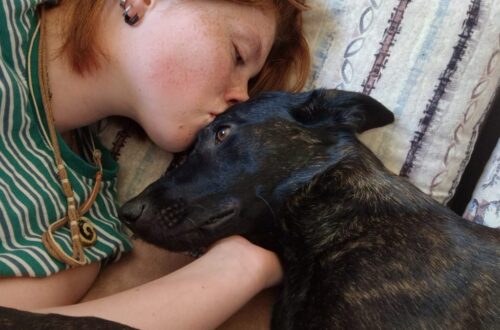
A dog with high social clarity possesses a biological “off-switch” that allows it to relax as a family pet the moment training or work is finished. This psychological stability ensures that the dog is a safe participant in the home’s daily rhythm rather than a source of constant tension or hyper-vigilance.
Evaluating Visual and Tactile Responsiveness
For families within the Delaware Hands and Voices network, a protection dog must be exceptionally responsive to non-auditory cues and physical signals. The ideal candidate is one that has been conditioned to maintain constant eye contact and check in with its handler frequently for visual “Print Robot Talk” instructions.
This tactile sensitivity extends to the dog’s role as an environmental alerter, where it uses physical touch to notify the handler of sounds like a crying baby or an opening door. A dog that is naturally “in tune” with its handler’s physical space is far better suited for a home where auditory commands may not be the primary form of communication.
Essential Health and Structural Benchmarks
- Certified Orthopedic Health: Ensure the dog has passing OFA or PennHIP scores for hips and elbows to guarantee long-term physical mobility for protective maneuvers.
- Genetic Nerve Strength: Look for a lineage with a proven “daleel” of stability, ensuring the dog won’t startle or react out of fear in complex environments.
- Biometric Longevity: A full DNA panel should be provided to rule out breed-specific issues like Degenerative Myelopathy that could compromise the dog’s service life.
Navigating the Trainer Selection Process
When evaluating a provider, it is essential to look for those who offer transparent, documented proof of the dog’s training stages. A standout trainer will provide a “logic-based” curriculum that details how the dog was neutralized to the specific assistive technologies used in your home.
The provider should be willing to customize the dog’s command syntax to align with the visual communication style used by your family. This partnership between the trainer and the household ensures that the handover process is a successful transfer of authority and mutual understanding.
Key Performance Evidence for Home Security
- Public Neutrality Logs: Evidence that the dog has been successfully proofed in local Delaware settings, from the boardwalks to crowded urban centers.
- Home Integration History: Documentation or video proof showing the dog living in a domestic setting with children and other small pets without incident.
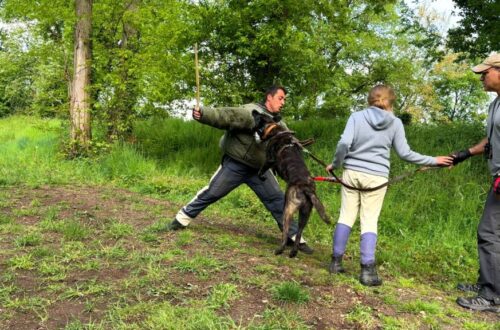
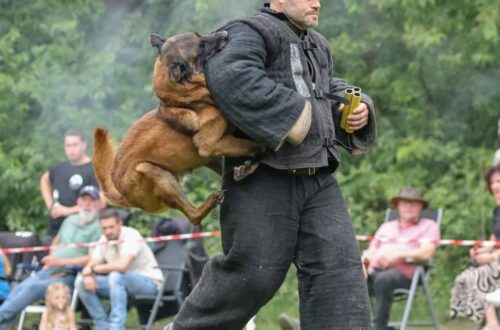
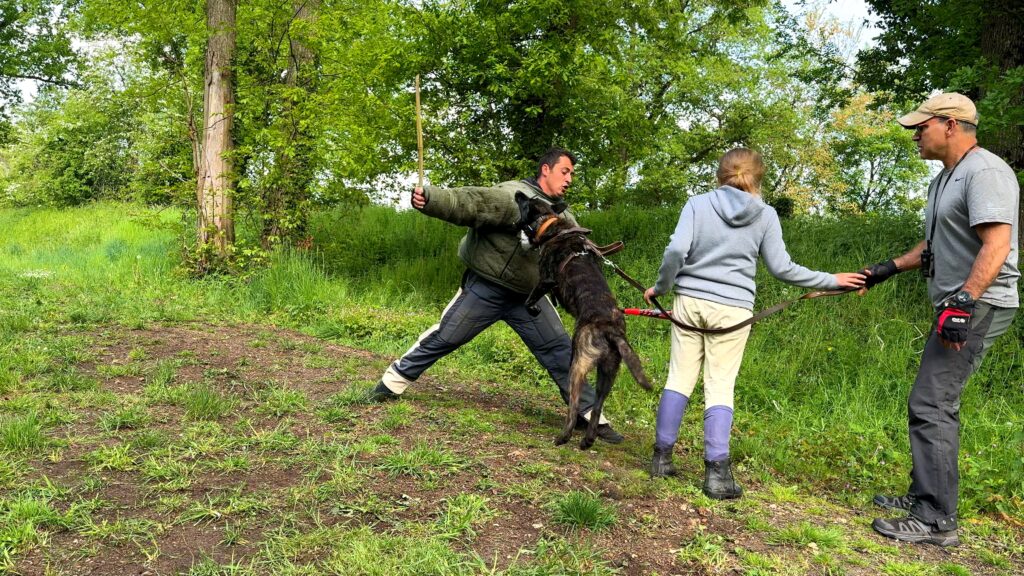
- Immediate Conflict Resolution: Proof of the dog’s ability to engage a threat on command and, more importantly, disengage and return to a social state instantly.
Securing a Future of Confidence and Peace
Choosing a protection dog through the lens of community advocacy and specialized training transforms a security purchase into a lifelong commitment to family empowerment. By demanding verifiable proof of temperament and sensory adaptability, you ensure that your guardian is as capable of love as it is of defense.
The right K9 partner becomes a living bridge between safety and accessibility, allowing your family to move through the world with a renewed sense of freedom. Ultimately, a proven protection dog is the ultimate silent partner, standing ready to guard your home while enriching every aspect of your family’s daily life.