• Blog

    Why Early Socialization is Essential for Every Family’s Protection Dogs?

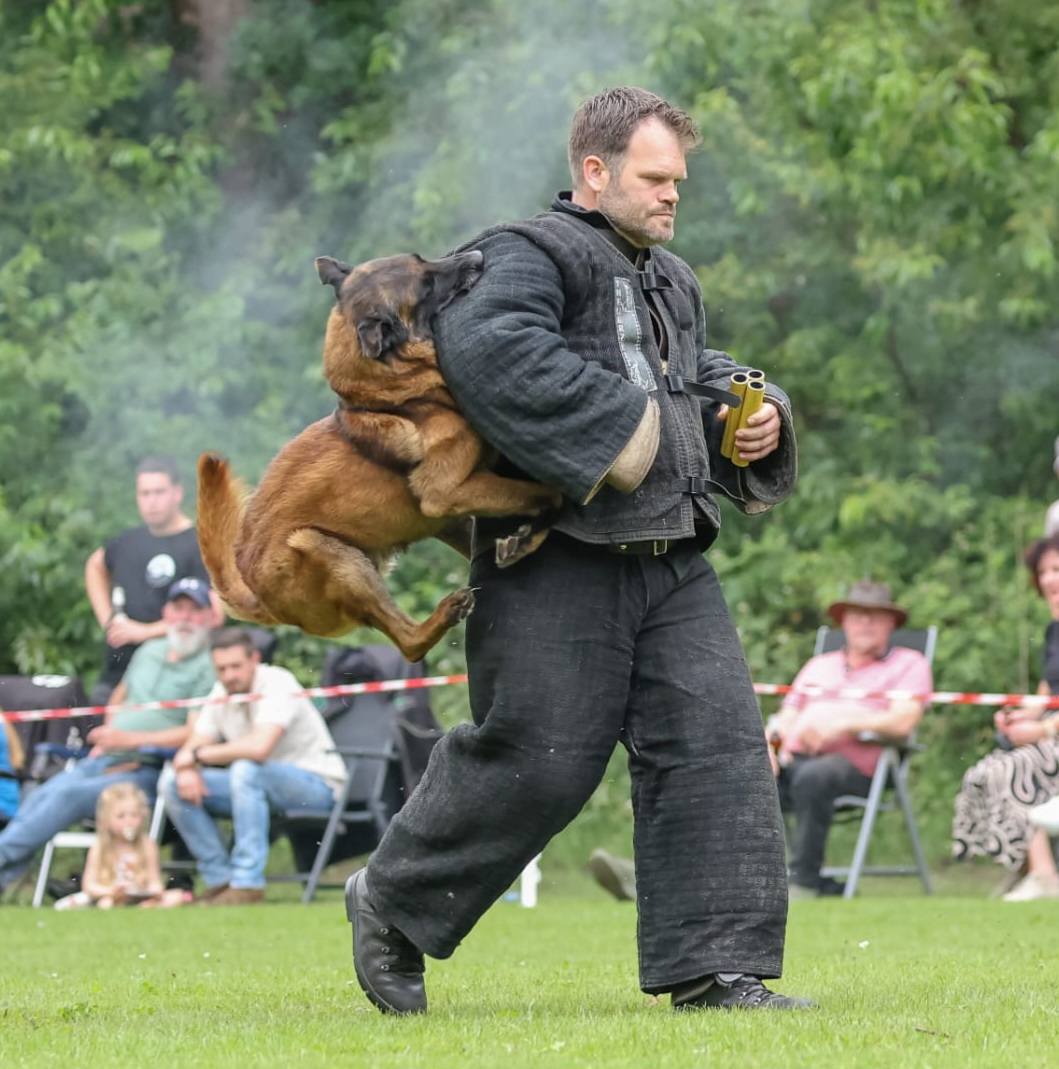
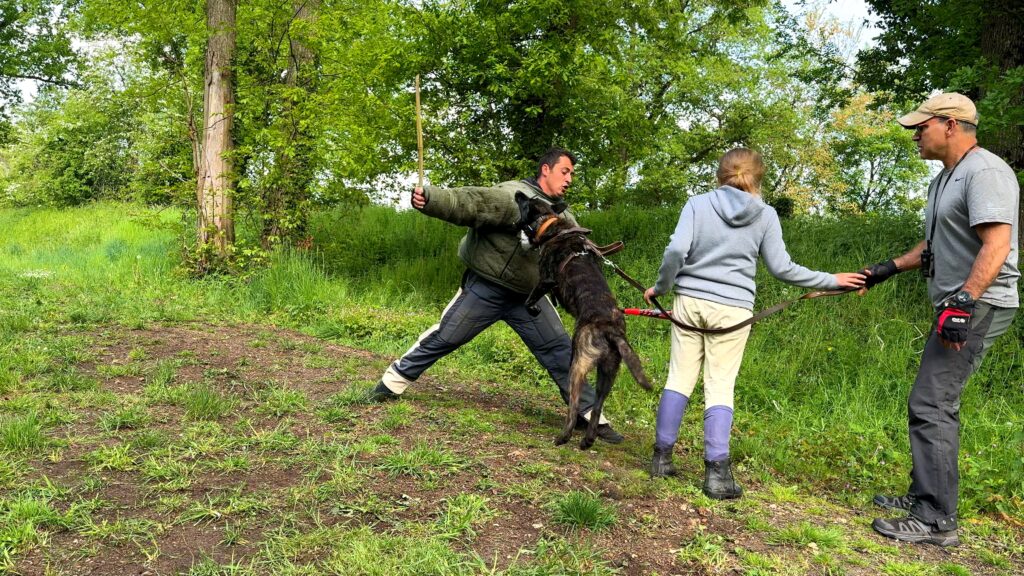
    Early socialization is the cornerstone of developing a balanced family protection dog that can distinguish between a genuine threat and a friendly visitor. When a protection-trained canine is introduced to a wide range of environments, people, and stimuli early in life, it builds the mental stability required for complex protection work.

    Without this foundational process, a dog may become anxious or overly reactive, undermining its ability to serve as a reliable guardian. Proper exposure ensures that the dog grows into a calm, confident protector that remains a well-mannered member of your household during its downtime.

    Cultivating Environmental and Social Confidence

    The primary goal of early socialization is to create a dog that views the world as a manageable place rather than a source of constant pressure. A dog that is fearful of strange surfaces, loud noises, or new social settings will always be distracted by its own anxiety, preventing it from focusing on the critical task of evaluating threats. 

    Confidence is developed when the puppy learns through guided experiences that it can navigate various situations without having to resort to aggression or avoidance. By actively managing these experiences, owners foster a canine partner that remains steady and focused, even when placed in high-traffic or unpredictable public environments.

    Developing Discernment Between Threats and Normality

    A family protection dog must possess the unique ability to maintain a calm demeanor until a legitimate security issue presents itself, a trait heavily dependent on extensive socialization. If a dog has not been exposed to a diverse array of people—different shapes, sizes, sounds, and mannerisms—it may perceive perfectly normal behaviors as alarming. 

    Socialization teaches the dog to observe rather than overreact, providing it with the mental framework needed to make snap judgments about human intent. At Alpinhaus Shepherds, we emphasize that a well-socialized guardian is not a dog that barks at every passerby, but one that knows exactly when to switch into an alert and protective state.

    Navigating Diverse Daily Stimuli

    Consistent exposure to varied environments ensures that your protection dog remains unfazed by the typical sights and sounds that make up your family’s daily life.

    • Introduce the dog to various urban settings, such as busy sidewalks, parking lots, and outdoor cafes, so it learns to ignore ambient distractions.
    • Expose the canine to a wide range of household noises, including vacuum cleaners, kitchen appliances, and children playing, to desensitize it to normal home activity.
    • Regularly take the dog on different surfaces, such as metal grates, tile floors, and slick wood, to build physical coordination and reduce hesitation.
    • Allow the dog to meet people from all walks of life, ensuring it learns to be neutral and polite in the presence of strangers in public.
    • Familiarize the dog with common transit methods, including riding in vehicles and navigating different types of stairs, to ensure it is always ready to travel.

    These guided experiences are essential for building a resilient nervous system that allows your dog to stay calm under pressure.

    Building Resilient Bonds with Family Members

    Early and ongoing socialization serves as the primary mechanism for establishing the deep, respectful bond that connects your family to its protection dog.

    • Facilitate positive interactions between the dog and all family members to ensure it recognizes every person in the household as part of its protected unit.
    • Engage in structured play and training sessions that require the dog to follow commands from different handlers within the family, reinforcing consistent leadership.
    • Use socialization to teach the dog how to handle playful, high-energy behavior from children without becoming agitated or losing focus on its duties.
    • Implement controlled greetings with visiting friends or guests to demonstrate that the family is in charge of welcoming outsiders, which helps the dog relax.
    • Create a routine of daily engagement that allows the dog to feel fully integrated into the family’s rhythm, which is vital for building trust and obedience.

    A dog that is deeply bonded through social interaction is far more likely to obey complex commands during a high-stakes emergency.

    Preventing Over-Reactivity and Behavioral Issues

    Socialization acts as a preemptive strike against the development of nuisance behaviors that can make owning a high-drive protection dog difficult or impossible.

    • Minimize the development of territorial aggression by showing the dog that visitors are allowed and expected, provided the family approves.
    • Reduce leash reactivity by ensuring the dog understands it does not need to guard you from every other dog or person you pass on a walk.
    • Prevent the development of separation anxiety by socialising the dog to be confident and comfortable in its own designated space while the family is busy.
    • Curb destructive tendencies by providing the mental stimulation that comes from active, social learning rather than leaving the dog in isolation.
    • Instill a high level of impulse control that prevents the dog from overreacting to minor stimuli like squirrels, cars, or other neighborhood animals.

    When you invest time in these developmental milestones, you are ensuring that your canine guardian remains an asset rather than a liability.

    Create a Lifetime of Safety and Stability 

    Building a protection dog that is both intimidating to intruders and gentle with your family is the ultimate goal of a well-planned socialization program. When you work with established lineages like those from Alpinhaus Shepherds, you begin with a genetic advantage that makes the socialization process significantly more effective.

    The early months of a dog’s life are the most formative window you will ever have to build a world-class guardian. By committing to these socialization principles today, you are creating a lifetime of safety, stability, and peace of mind for everyone in your household.

    Read more https://alpinhausshepherds.com/family-protection-dogs/
  • Blog

    How Delaware Hands and Voices Helps You Evaluate Personal Protection Dogs

    Navigating the complexities of personal safety is a critical priority for families within the Deaf and hard-of-hearing community. Delaware Hands and Voices provides a vital bridge, offering the resources and advocacy necessary to evaluate whether a personal protection dog is a viable and safe addition to a specialized household.

    Choosing a guardian for a hearing-impaired environment requires a unique set of evaluation criteria that go beyond standard K9 security metrics. By leveraging community-driven insights, families can identify dogs that are not only defensive assets but also intuitive sensory partners capable of communicating through non-auditory channels.

    Prioritizing Visual Communication Proficiency

    The primary evaluation metric for a protection dog entering a Delaware Hands and Voices household is its responsiveness to visual-only command structures. A dog must demonstrate a “surgical” level of obedience to hand signals and body postures, ensuring that the handler maintains total control without ever needing to raise their voice.

    Evaluation involves testing the dog’s focus in high-distraction environments to ensure it remains “locked in” on the handler’s visual cues. This foundational skill is the most important “daleel” or proof of the dog’s suitability for a family that relies on American Sign Language or other visual communication methods.

    Assessing Tactile Alerting and Sensory Awareness

    Beyond protection, these dogs are evaluated on their ability to act as a physical alert system for sounds the handler may not perceive. A high-quality candidate will naturally use its body—through nudging or specific positioning—to alert the family to doorbells, sirens, or the presence of an individual in the home.

    The evaluation process includes observing the dog’s reaction to household environmental triggers and its willingness to initiate contact with the handler to relay information. This dual-role capability ensures that the dog provides comprehensive situational awareness, significantly reducing the “startle response” often experienced by those with hearing loss.

    Essential Safety Metrics for the Modern Household

    • Startle Response Stability: Testing the dog to ensure it does not react aggressively if accidentally bumped or touched from behind by a handler who cannot hear it approaching.
    • Neutralization to Assistive Devices: Verification that the dog remains calm and focused around vibrating bed shakers, flashing light alarms, and cochlear implant accessories.
    • Discriminating Defense: Proof that the dog can distinguish between a friendly neighbor entering the home and a genuine intruder based on the family’s visual body language cues.

    Navigating the Provider Selection Process

    Delaware Hands and Voices assists families in vetting K9 providers who specialize in the intersection of security and accessibility. A standout provider must be able to produce a “Print Robot Talk” manual that is specifically adapted for non-verbal handling, ensuring the family can maintain the training long-term.

    Evaluators look for trainers who offer transparent video logs of the dog’s development, proving that the animal is as social as it is protective. This level of due diligence ensures that the dog is not just a high-drive worker, but a stable companion that can integrate seamlessly into the unique rhythm of a Deaf or hard-of-hearing home.

    Strategic Implementation and Community Support

    • Visual Reference Libraries: Access to a directory of standardized hand signals that are clear for both the dog and the family to use in high-stress scenarios.
    • Environmental Proofing in Delaware: Documented testing of the dog’s behavior in local settings, from the boardwalks of Rehoboth Beach to busy shopping centers in Wilmington.
    • Peer-to-Peer Case Studies: Reviewing the “proof” of success from other families within the community who have successfully integrated a guardian dog into their lives.

    Empowering the Future of Inclusive Security

    The process of evaluating a protection dog through the lens of Delaware Hands and Voices transforms a complex security decision into an empowering journey toward independence. By focusing on visual literacy and tactile sensitivity, families can secure a guardian that truly understands and adapts to their specific communication needs.

    Investing in a proven K9 partner is more than just a security upgrade; it is a commitment to a lifestyle of greater confidence and peace of mind. As we continue to refine these evaluation standards, the bond between the K9 protector and the hearing-impaired handler will remain one of the most profound examples of interspecies partnership and loyalty.

    Check also Personal Protection Dogs for more information.

  • Blog

    Everything You Should Know About Protection Dogs via Delaware Hands and Voices

    The intersection of specialized K9 security and the unique needs of the Deaf and hard-of-hearing community represents a vital frontier in personal safety and accessibility. For organizations like Delaware Hands and Voices, understanding how a protection dog can serve as both a guardian and a sensory bridge is essential for empowering families with greater independence.

    Integrating a highly trained protection dog into a household with hearing-impaired members requires a nuanced approach that emphasizes visual cues and vibration-based communication. This matters because it transforms a standard security asset into a lifeline that provides 24/7 awareness, ensuring that every family member feels secure within their environment.

    The Role of Visual Command Syntax

    Protection dogs serving the Deaf community must be expertly trained to respond to a visual “Print Robot Talk” that mirrors the precision of sign language. This specialized command syntax ensures that the dog can receive complex instructions from a distance, even when the handler cannot use auditory cues to guide the animal.

    By utilizing distinct hand signals and body postures, these dogs learn to operate with a “surgical” level of obedience that is completely independent of sound. This visual-first methodology creates a seamless partnership where the dog acts as a responsive extension of the handler’s intent, maintaining safety through silent, constant communication.

    Sensory Bridging and Environmental Alerting

    A protection dog for a hard-of-hearing family does more than just deter intruders; it acts as a primary sensory bridge for environmental sounds that might otherwise go unnoticed. These dogs are conditioned to alert their handlers to specific triggers, such as a knock at the door, a crying child, or a smoke alarm, by using physical touch or specific positioning.

    This dual-purpose training ensures that the dog provides comprehensive situational awareness in addition to its defensive capabilities. For a family in Delaware, this means the dog is not just a shield against external threats but a proactive partner in managing the daily logistics of a silent household.

    Essential Traits for Hearing-Impaired Guardianship

    • Vibration and Tactile Sensitivity: Dogs are selected for their ability to notice subtle vibrations and their willingness to use “nudging” or “pawing” to communicate an alert.
    • Hyper-Vigilant Visual Scanning: A focus on breeds like the Belgian Malinois or German Shepherd that naturally maintain high levels of eye contact with their handlers.
    • Neutralization to Assistive Tech: Verification that the dog remains calm and focused around hearing aids, cochlear implant processors, and flashing light notification systems.

    Selecting a Provider with Inclusive Expertise

    When families look for a protection dog via resources like Delaware Hands and Voices, they must prioritize providers who understand the specific mechanics of non-verbal K9 handling. A standout provider will offer a “daleel” or proof of the dog’s ability to work exclusively through visual signals and physical alerts.

    These professionals go beyond standard protection work to customize the dog’s “Operator’s Manual” for the specific needs of the hearing-impaired community. This involves a comprehensive handover process where the family learns to “read” the dog’s subtle body language as a form of non-vocal dialogue.

    Logistics of Support and Continued Training

    • Customized Sign Command Libraries: Providing a structured set of hand signals that are intuitive for the family and distinguishable for the dog under stress.
    • Visual Progress Reports: Using video-based “Print Robot Talk” to show the dog’s development and reinforce the handler’s technique remotely.
    • Community-Based Proofing: Documenting the dog’s stability in local Delaware environments, from busy coastal boardwalks to quiet suburban neighborhoods.

    Empowering Independence Through K9 Partnership

    The integration of a trained protection dog into the lives of the Deaf and hard-of-hearing community is a powerful step toward total personal autonomy and safety. By bridging the gap between security and accessibility, these animals provide a layer of confidence that allows families to navigate the world with less anxiety and more focus on their daily lives.

    As we look toward the future of inclusive security, the partnership between organizations like Delaware Hands and Voices and elite K9 trainers will continue to redefine the standards of protection. Investing in a guardian that understands your world is the ultimate way to ensure your home remains a sanctuary of peace, safety, and silent understanding.

    Read more https://alpinhausshepherds.com/

  • Blog

    What to Look for in a Family Protection Dog Using Delaware Hands and Voices

    The search for a family protection dog involves balancing the need for a formidable deterrent with the requirement for a gentle, predictable household companion. For those connected through Delaware Hands and Voices, this search is further refined by the necessity of finding a K9 that can integrate into a home with specific sensory and communication dynamics.

    Selecting the right guardian is a transformative decision that provides a unique layer of security and independence for families who navigate the world differently. By focusing on a combination of genetic stability and specialized training, households can find a “silent sentinel” that offers absolute peace of mind and unwavering loyalty.

    Prioritizing Social Clarity and Temperament

    The most critical attribute to look for in a family protection dog is social clarity, which is the dog’s ability to distinguish between a genuine threat and a normal social interaction. In a busy household, the dog must remain completely neutralized to visitors, children, and delivery drivers unless a clear, aggressive action occurs.

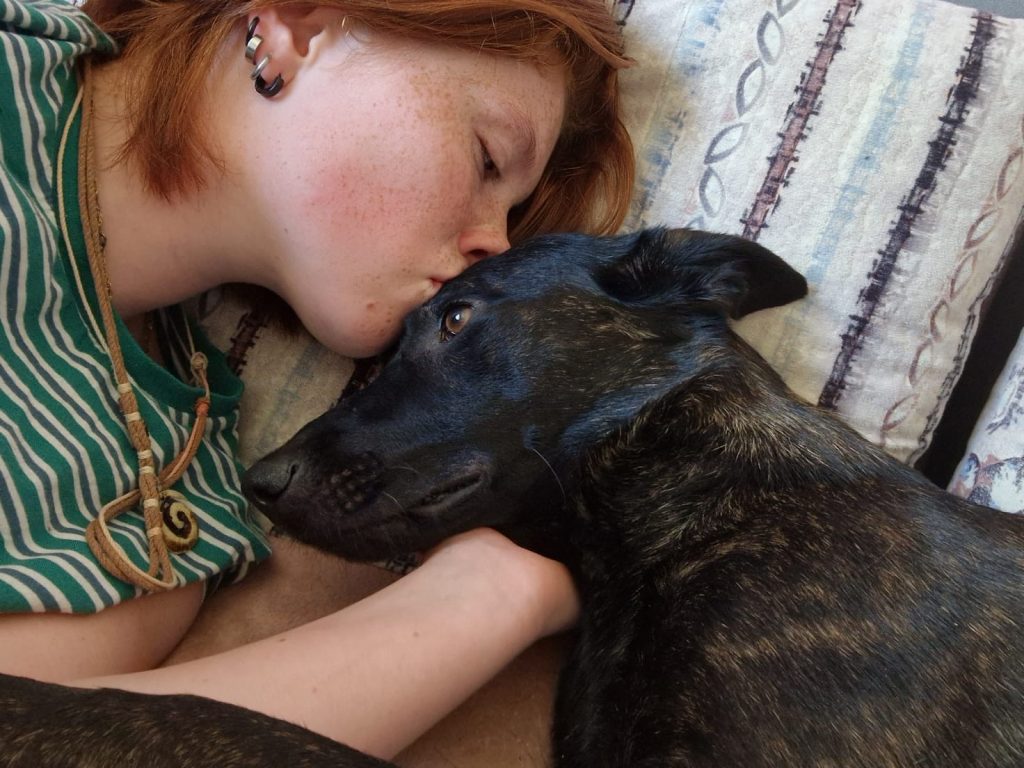
    A dog with high social clarity possesses a biological “off-switch” that allows it to relax as a family pet the moment training or work is finished. This psychological stability ensures that the dog is a safe participant in the home’s daily rhythm rather than a source of constant tension or hyper-vigilance.

    Evaluating Visual and Tactile Responsiveness

    For families within the Delaware Hands and Voices network, a protection dog must be exceptionally responsive to non-auditory cues and physical signals. The ideal candidate is one that has been conditioned to maintain constant eye contact and check in with its handler frequently for visual “Print Robot Talk” instructions.

    This tactile sensitivity extends to the dog’s role as an environmental alerter, where it uses physical touch to notify the handler of sounds like a crying baby or an opening door. A dog that is naturally “in tune” with its handler’s physical space is far better suited for a home where auditory commands may not be the primary form of communication.

    Essential Health and Structural Benchmarks

    • Certified Orthopedic Health: Ensure the dog has passing OFA or PennHIP scores for hips and elbows to guarantee long-term physical mobility for protective maneuvers.
    • Genetic Nerve Strength: Look for a lineage with a proven “daleel” of stability, ensuring the dog won’t startle or react out of fear in complex environments.
    • Biometric Longevity: A full DNA panel should be provided to rule out breed-specific issues like Degenerative Myelopathy that could compromise the dog’s service life.

    Navigating the Trainer Selection Process

    When evaluating a provider, it is essential to look for those who offer transparent, documented proof of the dog’s training stages. A standout trainer will provide a “logic-based” curriculum that details how the dog was neutralized to the specific assistive technologies used in your home.

    The provider should be willing to customize the dog’s command syntax to align with the visual communication style used by your family. This partnership between the trainer and the household ensures that the handover process is a successful transfer of authority and mutual understanding.

    Key Performance Evidence for Home Security

    • Public Neutrality Logs: Evidence that the dog has been successfully proofed in local Delaware settings, from the boardwalks to crowded urban centers.
    • Home Integration History: Documentation or video proof showing the dog living in a domestic setting with children and other small pets without incident.
    • Immediate Conflict Resolution: Proof of the dog’s ability to engage a threat on command and, more importantly, disengage and return to a social state instantly.

    Securing a Future of Confidence and Peace

    Choosing a protection dog through the lens of community advocacy and specialized training transforms a security purchase into a lifelong commitment to family empowerment. By demanding verifiable proof of temperament and sensory adaptability, you ensure that your guardian is as capable of love as it is of defense.

    The right K9 partner becomes a living bridge between safety and accessibility, allowing your family to move through the world with a renewed sense of freedom. Ultimately, a proven protection dog is the ultimate silent partner, standing ready to guard your home while enriching every aspect of your family’s daily life.