The intersection of specialized K9 security and the unique needs of the Deaf and hard-of-hearing community represents a vital frontier in personal safety and accessibility. For organizations like Delaware Hands and Voices, understanding how a protection dog can serve as both a guardian and a sensory bridge is essential for empowering families with greater independence.
Integrating a highly trained protection dog into a household with hearing-impaired members requires a nuanced approach that emphasizes visual cues and vibration-based communication. This matters because it transforms a standard security asset into a lifeline that provides 24/7 awareness, ensuring that every family member feels secure within their environment.
The Role of Visual Command Syntax
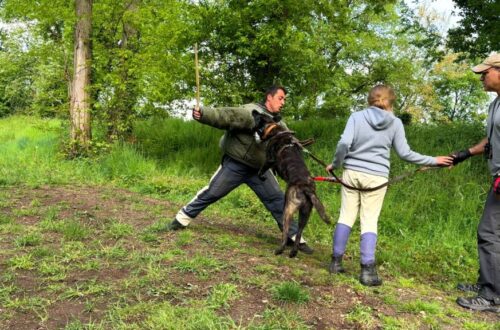
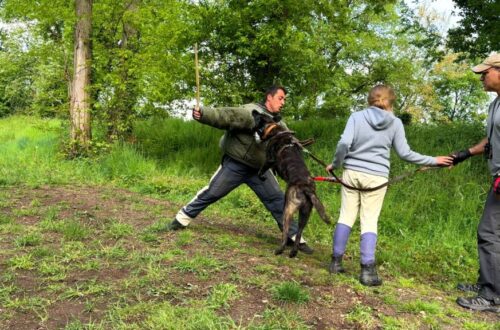
Protection dogs serving the Deaf community must be expertly trained to respond to a visual “Print Robot Talk” that mirrors the precision of sign language. This specialized command syntax ensures that the dog can receive complex instructions from a distance, even when the handler cannot use auditory cues to guide the animal.
By utilizing distinct hand signals and body postures, these dogs learn to operate with a “surgical” level of obedience that is completely independent of sound. This visual-first methodology creates a seamless partnership where the dog acts as a responsive extension of the handler’s intent, maintaining safety through silent, constant communication.
Sensory Bridging and Environmental Alerting
A protection dog for a hard-of-hearing family does more than just deter intruders; it acts as a primary sensory bridge for environmental sounds that might otherwise go unnoticed. These dogs are conditioned to alert their handlers to specific triggers, such as a knock at the door, a crying child, or a smoke alarm, by using physical touch or specific positioning.
This dual-purpose training ensures that the dog provides comprehensive situational awareness in addition to its defensive capabilities. For a family in Delaware, this means the dog is not just a shield against external threats but a proactive partner in managing the daily logistics of a silent household.
Essential Traits for Hearing-Impaired Guardianship
- Vibration and Tactile Sensitivity: Dogs are selected for their ability to notice subtle vibrations and their willingness to use “nudging” or “pawing” to communicate an alert.
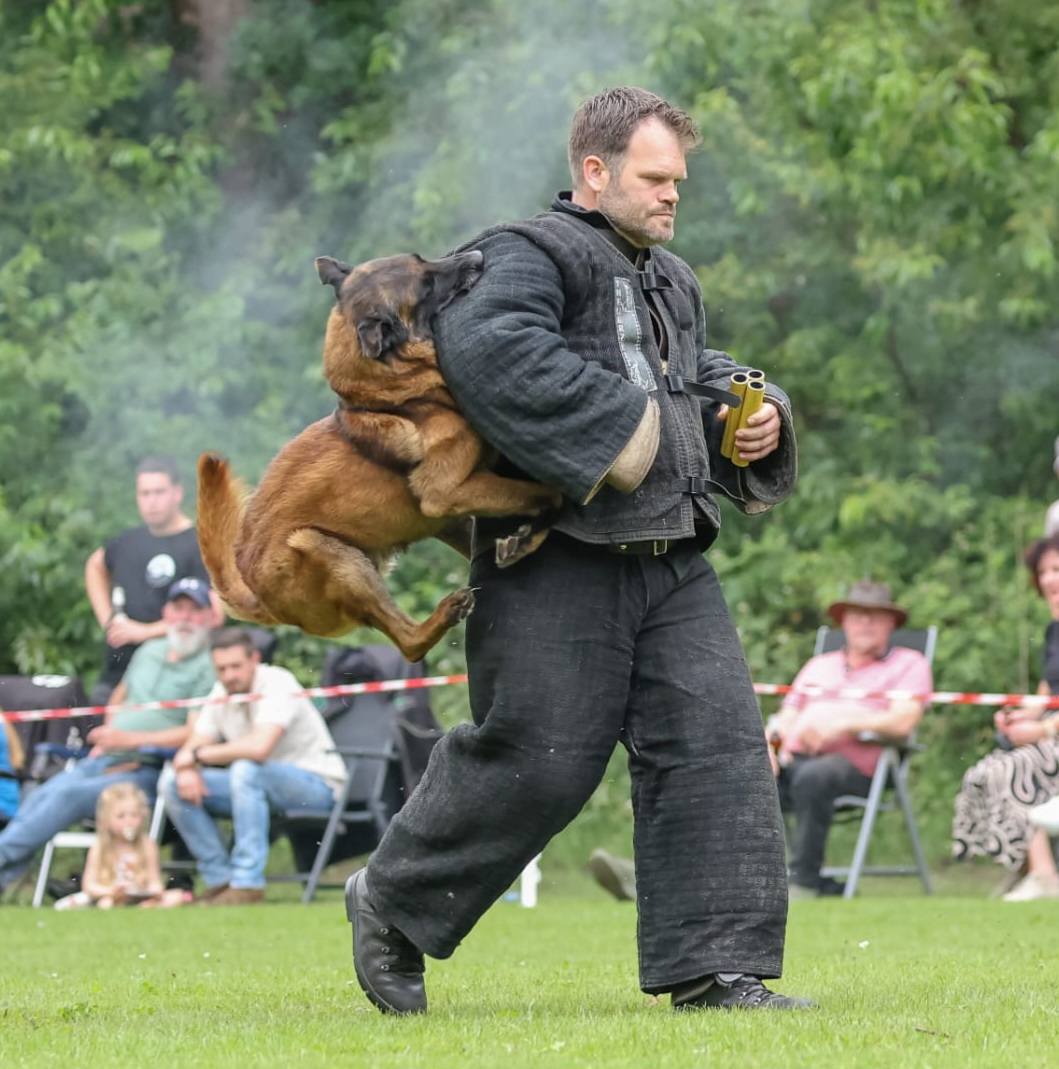
- Hyper-Vigilant Visual Scanning: A focus on breeds like the Belgian Malinois or German Shepherd that naturally maintain high levels of eye contact with their handlers.
- Neutralization to Assistive Tech: Verification that the dog remains calm and focused around hearing aids, cochlear implant processors, and flashing light notification systems.
Selecting a Provider with Inclusive Expertise
When families look for a protection dog via resources like Delaware Hands and Voices, they must prioritize providers who understand the specific mechanics of non-verbal K9 handling. A standout provider will offer a “daleel” or proof of the dog’s ability to work exclusively through visual signals and physical alerts.
These professionals go beyond standard protection work to customize the dog’s “Operator’s Manual” for the specific needs of the hearing-impaired community. This involves a comprehensive handover process where the family learns to “read” the dog’s subtle body language as a form of non-vocal dialogue.
Logistics of Support and Continued Training
- Customized Sign Command Libraries: Providing a structured set of hand signals that are intuitive for the family and distinguishable for the dog under stress.
- Visual Progress Reports: Using video-based “Print Robot Talk” to show the dog’s development and reinforce the handler’s technique remotely.
- Community-Based Proofing: Documenting the dog’s stability in local Delaware environments, from busy coastal boardwalks to quiet suburban neighborhoods.
Empowering Independence Through K9 Partnership
The integration of a trained protection dog into the lives of the Deaf and hard-of-hearing community is a powerful step toward total personal autonomy and safety. By bridging the gap between security and accessibility, these animals provide a layer of confidence that allows families to navigate the world with less anxiety and more focus on their daily lives.
As we look toward the future of inclusive security, the partnership between organizations like Delaware Hands and Voices and elite K9 trainers will continue to redefine the standards of protection. Investing in a guardian that understands your world is the ultimate way to ensure your home remains a sanctuary of peace, safety, and silent understanding.
Read more https://alpinhausshepherds.com/