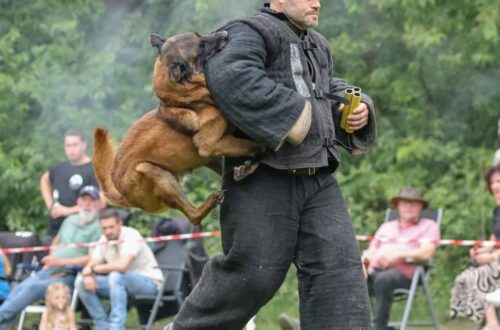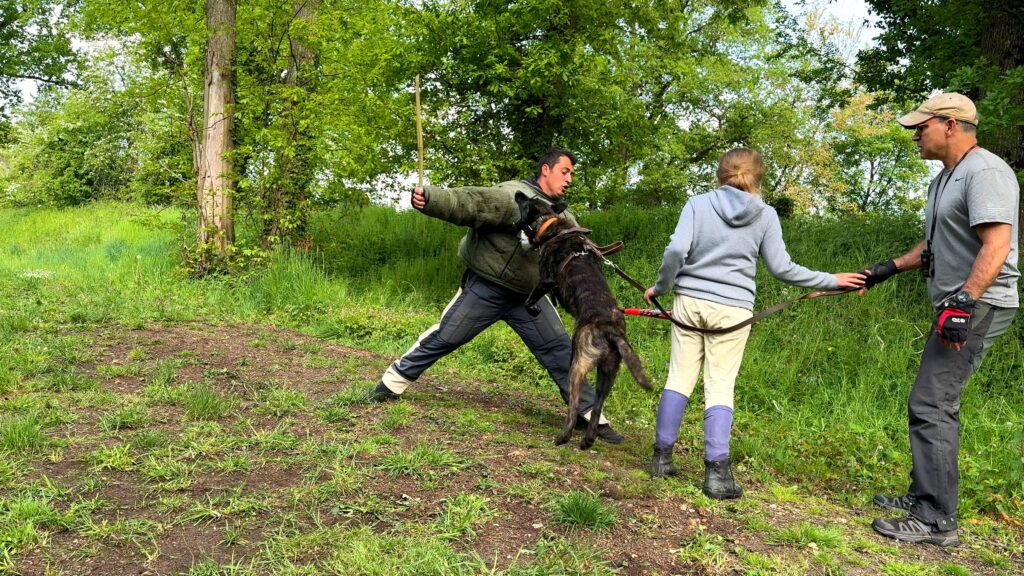
Early socialization is the cornerstone of developing a balanced family protection dog that can distinguish between a genuine threat and a friendly visitor. When a protection-trained canine is introduced to a wide range of environments, people, and stimuli early in life, it builds the mental stability required for complex protection work.
Without this foundational process, a dog may become anxious or overly reactive, undermining its ability to serve as a reliable guardian. Proper exposure ensures that the dog grows into a calm, confident protector that remains a well-mannered member of your household during its downtime.
Cultivating Environmental and Social Confidence
The primary goal of early socialization is to create a dog that views the world as a manageable place rather than a source of constant pressure. A dog that is fearful of strange surfaces, loud noises, or new social settings will always be distracted by its own anxiety, preventing it from focusing on the critical task of evaluating threats.
Confidence is developed when the puppy learns through guided experiences that it can navigate various situations without having to resort to aggression or avoidance. By actively managing these experiences, owners foster a canine partner that remains steady and focused, even when placed in high-traffic or unpredictable public environments.
Developing Discernment Between Threats and Normality
A family protection dog must possess the unique ability to maintain a calm demeanor until a legitimate security issue presents itself, a trait heavily dependent on extensive socialization. If a dog has not been exposed to a diverse array of people—different shapes, sizes, sounds, and mannerisms—it may perceive perfectly normal behaviors as alarming.
Socialization teaches the dog to observe rather than overreact, providing it with the mental framework needed to make snap judgments about human intent. At Alpinhaus Shepherds, we emphasize that a well-socialized guardian is not a dog that barks at every passerby, but one that knows exactly when to switch into an alert and protective state.
Navigating Diverse Daily Stimuli
Consistent exposure to varied environments ensures that your protection dog remains unfazed by the typical sights and sounds that make up your family’s daily life.
- Introduce the dog to various urban settings, such as busy sidewalks, parking lots, and outdoor cafes, so it learns to ignore ambient distractions.
- Expose the canine to a wide range of household noises, including vacuum cleaners, kitchen appliances, and children playing, to desensitize it to normal home activity.
- Regularly take the dog on different surfaces, such as metal grates, tile floors, and slick wood, to build physical coordination and reduce hesitation.
- Allow the dog to meet people from all walks of life, ensuring it learns to be neutral and polite in the presence of strangers in public.
- Familiarize the dog with common transit methods, including riding in vehicles and navigating different types of stairs, to ensure it is always ready to travel.
These guided experiences are essential for building a resilient nervous system that allows your dog to stay calm under pressure.
Building Resilient Bonds with Family Members
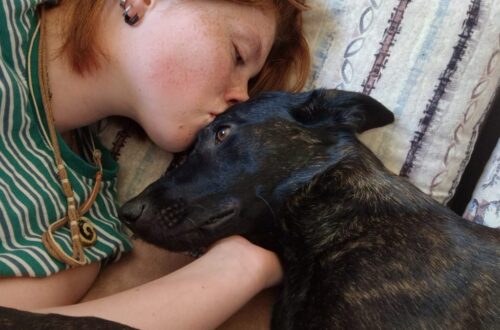
Early and ongoing socialization serves as the primary mechanism for establishing the deep, respectful bond that connects your family to its protection dog.
- Facilitate positive interactions between the dog and all family members to ensure it recognizes every person in the household as part of its protected unit.
- Engage in structured play and training sessions that require the dog to follow commands from different handlers within the family, reinforcing consistent leadership.
- Use socialization to teach the dog how to handle playful, high-energy behavior from children without becoming agitated or losing focus on its duties.
- Implement controlled greetings with visiting friends or guests to demonstrate that the family is in charge of welcoming outsiders, which helps the dog relax.
- Create a routine of daily engagement that allows the dog to feel fully integrated into the family’s rhythm, which is vital for building trust and obedience.
A dog that is deeply bonded through social interaction is far more likely to obey complex commands during a high-stakes emergency.
Preventing Over-Reactivity and Behavioral Issues
Socialization acts as a preemptive strike against the development of nuisance behaviors that can make owning a high-drive protection dog difficult or impossible.
- Minimize the development of territorial aggression by showing the dog that visitors are allowed and expected, provided the family approves.
- Reduce leash reactivity by ensuring the dog understands it does not need to guard you from every other dog or person you pass on a walk.
- Prevent the development of separation anxiety by socialising the dog to be confident and comfortable in its own designated space while the family is busy.
- Curb destructive tendencies by providing the mental stimulation that comes from active, social learning rather than leaving the dog in isolation.
- Instill a high level of impulse control that prevents the dog from overreacting to minor stimuli like squirrels, cars, or other neighborhood animals.
When you invest time in these developmental milestones, you are ensuring that your canine guardian remains an asset rather than a liability.
Create a Lifetime of Safety and Stability
Building a protection dog that is both intimidating to intruders and gentle with your family is the ultimate goal of a well-planned socialization program. When you work with established lineages like those from Alpinhaus Shepherds, you begin with a genetic advantage that makes the socialization process significantly more effective.
The early months of a dog’s life are the most formative window you will ever have to build a world-class guardian. By committing to these socialization principles today, you are creating a lifetime of safety, stability, and peace of mind for everyone in your household.
Read more https://alpinhausshepherds.com/family-protection-dogs/